While America Argues About Ballots, Estonia Has Been Voting Online for 20 Years
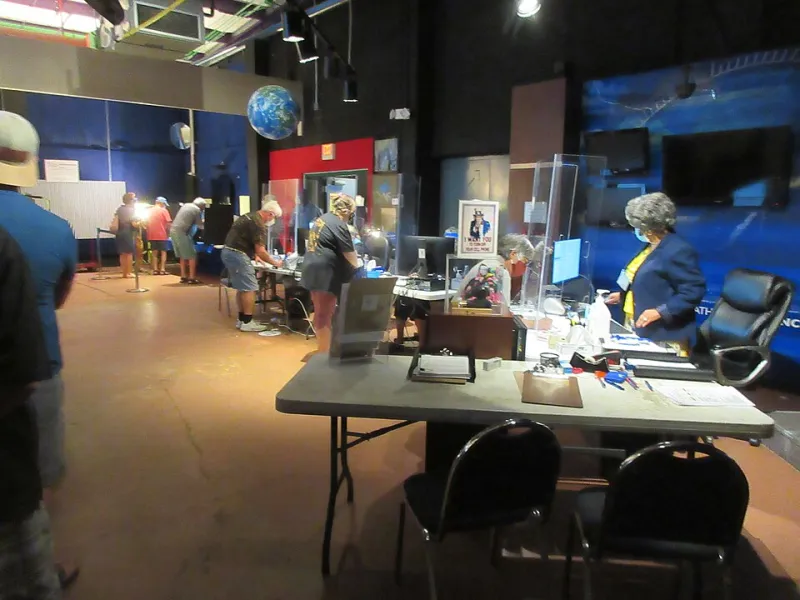
Photo: Infrogmation of New Orleans, CC BY-SA 4.0, via Wikimedia Commons
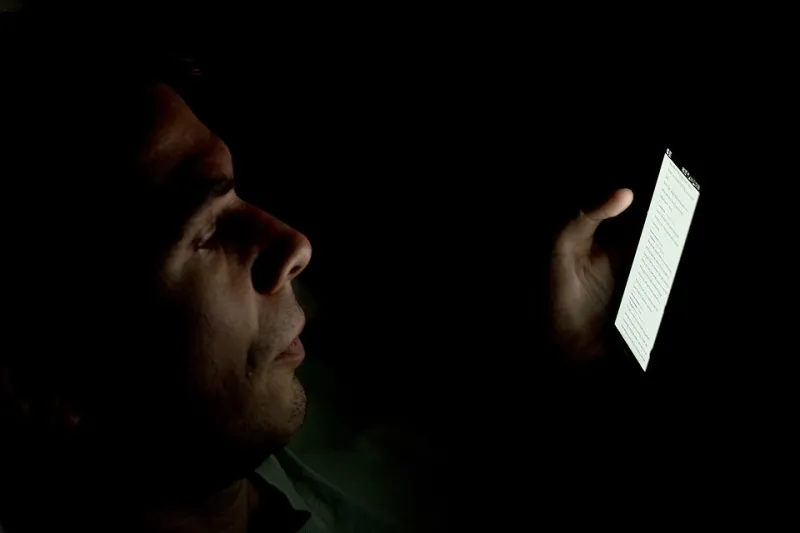
Here's a stat that should break the brain of anyone who's watched an American election night coverage: in Estonia's last parliamentary election, more than half of all votes were cast online. From a laptop. At home. Legally, verifiably, and without a single statewide scandal over the results.
Estonia has been running nationwide internet voting — they call it i-Voting — since 2005. That's before the first iPhone. Before Facebook was open to the public. Through Russian cyberattacks in 2007, through a global pandemic, through a land war on its border, the system has kept running, election after election.
Meanwhile, in America, the debate is still stuck on whether mail-in ballots are trustworthy and why counting takes days. So what does Estonia actually know that we don't? Quite a lot, it turns out.
The System Isn't Magic. It's Math.
The most common misconception about Estonian i-Voting is that it's some kind of app you tap and hope for the best. It's nothing of the sort. The system is built on layers of cryptography that would make a Bitcoin maximalist nod approvingly.
Here's the simplified version. When you vote online, your ballot is encrypted the moment you leave your device. Not encrypted "eventually" — encrypted immediately, so that not even the system operators can peek at what's inside while it travels.
But the genuinely clever part comes after you vote. You can log back in during the voting period and cast another ballot. And another. Each new vote cancels the previous one, and the last vote cast is the one counted. If someone coerced you into voting a certain way — or if malware on your computer messed with your ballot — you simply vote again, even in person during early voting, which overrides everything. That kills most coercion attacks dead.
At the counting stage, the encrypted votes are processed by an air-gapped system, and the tally is verified by independent observers using published cryptographic proofs. In recent elections, Estonia added a full vote-verification feature: after casting, you can use a QR code to check that your encrypted ballot made it into the box exactly as you intended. Independent international researchers have audited the system repeatedly, including a famous 2014 report that found real weaknesses — which Estonia then spent years fixing in the open.
That last part matters. Estonia's election infrastructure survives scrutiny because it expects scrutiny.
The Digital Identity Problem America Refuses to Solve
Here's the uncomfortable truth: Estonia's voting system works because of everything underneath it, not the voting part itself.
Every Estonian resident carries a national digital identity — a secure ID card or mobile ID — that cryptographically proves who they are. That same identity signs contracts, files taxes, picks up prescriptions, and yes, casts ballots. The voting system didn't have to invent trust from scratch. It inherited a trust layer the country built over two decades.
America has no equivalent. We have 50 states, thousands of county election offices, and an allergic reaction to federal ID infrastructure that dates back to debates older than Estonia's independence. Any internet voting attempt in the US today would be bolting a secure door onto a house with no foundation.
Which is exactly why, when Estonian election officials visit American election conferences, they don't pitch internet voting. They pitch the foundation: verifiable systems, audit trails, digital identity. The voting is the easy part.
Why Election Officials Keep Flying to Tallinn
Something interesting has been happening in the delegations that visit Estonia's Election Foundation. It's not just the officials you'd expect from blue states. Secretaries of state and election directors from conservative states have made the trip too — because election integrity is not, functionally, a partisan issue. Nobody, on any team, wants to spend three weeks after an election explaining why confidence collapsed.
What they find in Tallinn isn't a blueprint they can copy-paste. It's a proof of concept. It's evidence that when you invest in verifiable infrastructure and treat election security as an engineering discipline rather than a political football, voters actually respond. Turnout among Estonians living abroad — a group that barely votes in American elections — is dramatically higher because of i-Voting.
The lesson American officials tend to take home isn't "let's vote by phone next November." It's smaller and more actionable: publish your system's design. Allow real audits. Build verification for voters, not just for courts. Estonia's most exportable idea isn't a piece of software. It's the radical notion that election trust is something you engineer in public.
The Part America Gets Right — and Should Keep
To be clear, nobody serious is suggesting America transplant Estonian i-Voting wholesale. Estonia is a country of 1.3 million people with a unified digital ID and a political culture that largely agrees its elections should work. The US is a continental republic with 10,000+ election jurisdictions and a constitutional structure that deliberately fragments power.
But the direction of travel matters. Estonia started with digital ID, then digital signatures, then digital services, then digital voting — each step building verified trust on top of the last. America keeps trying to start at the top of the pyramid, with the flashy voting-adjacent technology, while the foundation rots.
Twenty years is a long time in technology. Estonia launched i-Voting when MySpace was the internet's biggest social network, and it has iterated, audited, and hardened the system through every generation of threat since. That longevity is the actual headline. Internet voting in Estonia isn't an experiment anymore. It's just how the country votes.
And every American election official who books a flight to Tallinn — quietly, off the campaign trail, with no press release — is quietly acknowledging the same thing: the future of election trust was already built. It's just 4,000 miles northeast, running quietly on a Tuesday.